Storing garden vegetables in cellars and pantries
Temperature, humidity and handling methods for keeping root crops, squash and pantry produce through Canadian winters and shoulder seasons.

Why storage matters
From harvest to midwinter meals
Many Canadian households still rely on unheated basement rooms, dug cellars or cool pantry spaces to extend the life of potatoes, carrots, onions and squash. Success depends less on a single technique than on matching each crop to stable cold-humid or cool-dry conditions.
Root cellar conditions
Potatoes, carrots and beets keep longest in dark, humid spaces just above freezing. Ventilation prevents mould while preserving skin integrity.
Pantry temperature
Onions, garlic and winter squash prefer cooler indoor rooms with lower humidity than root crops. Separation reduces sprouting and rot.
Shelf life by crop
Storage duration varies with variety, harvest maturity and regional winter severity. Curing and sorting at harvest extend usable months.
Articles
Guides by topic
Each article covers one aspect of vegetable storage with details relevant to Canadian homes, from Atlantic basements to Prairie dugouts.
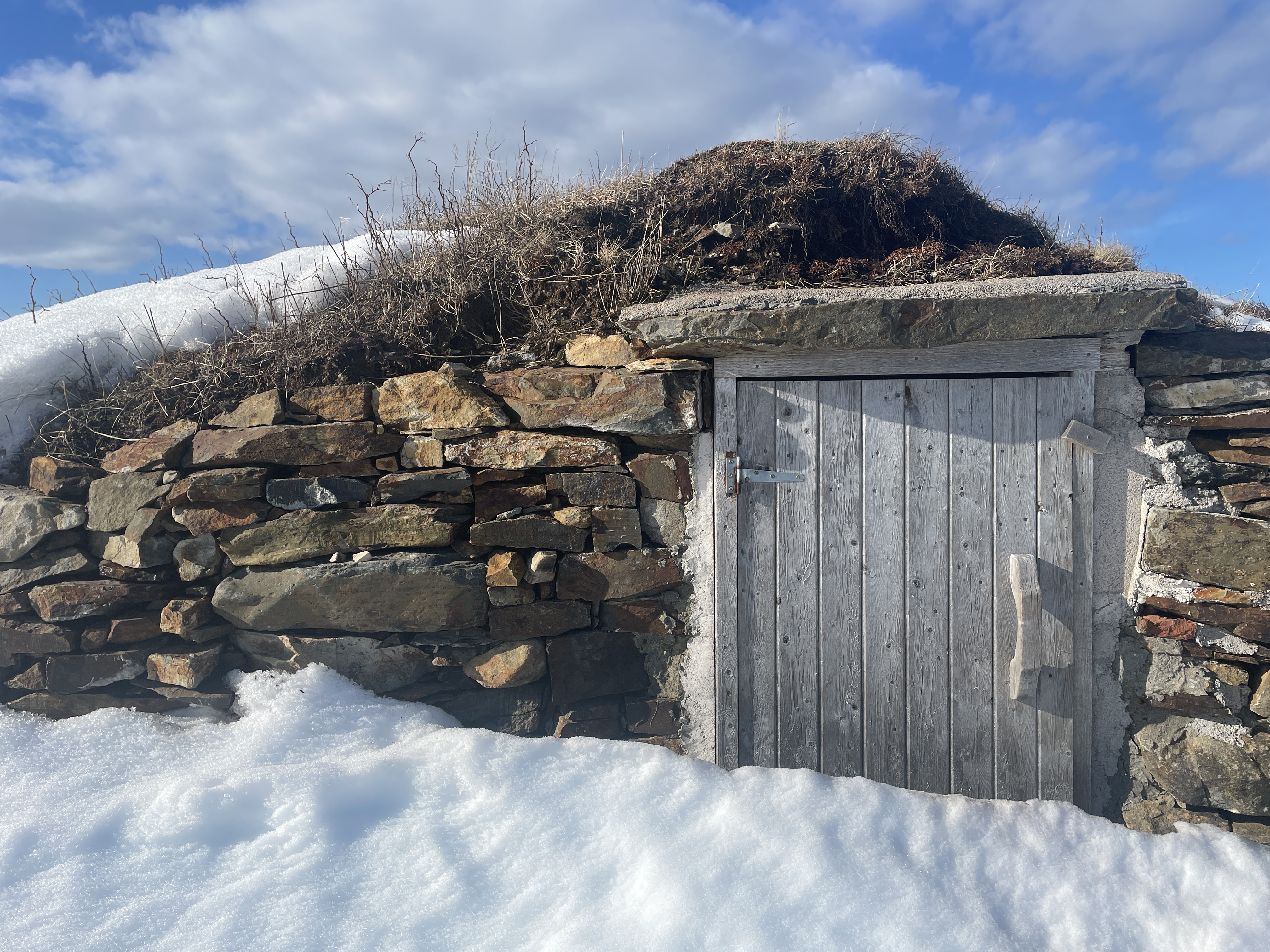
Cellar storage
Root vegetable cellar storage in Canada
Layout, ventilation and bin methods for potatoes, carrots, beets and parsnips in unheated basement or dug cellar spaces.
Read article
Pantry conditions
Pantry temperature and humidity for produce
How to monitor and adjust indoor storage rooms for onions, garlic, squash and apples without dedicated refrigeration.
Read article
Harvest timing
Garden harvest storage durations in Canada
Expected keeping times by vegetable type, with notes on curing, variety selection and regional climate differences.
Read articleContact
Send an inquiry
Questions about vegetable storage methods may be submitted through this form. Details are handled according to the Privacy Policy.